
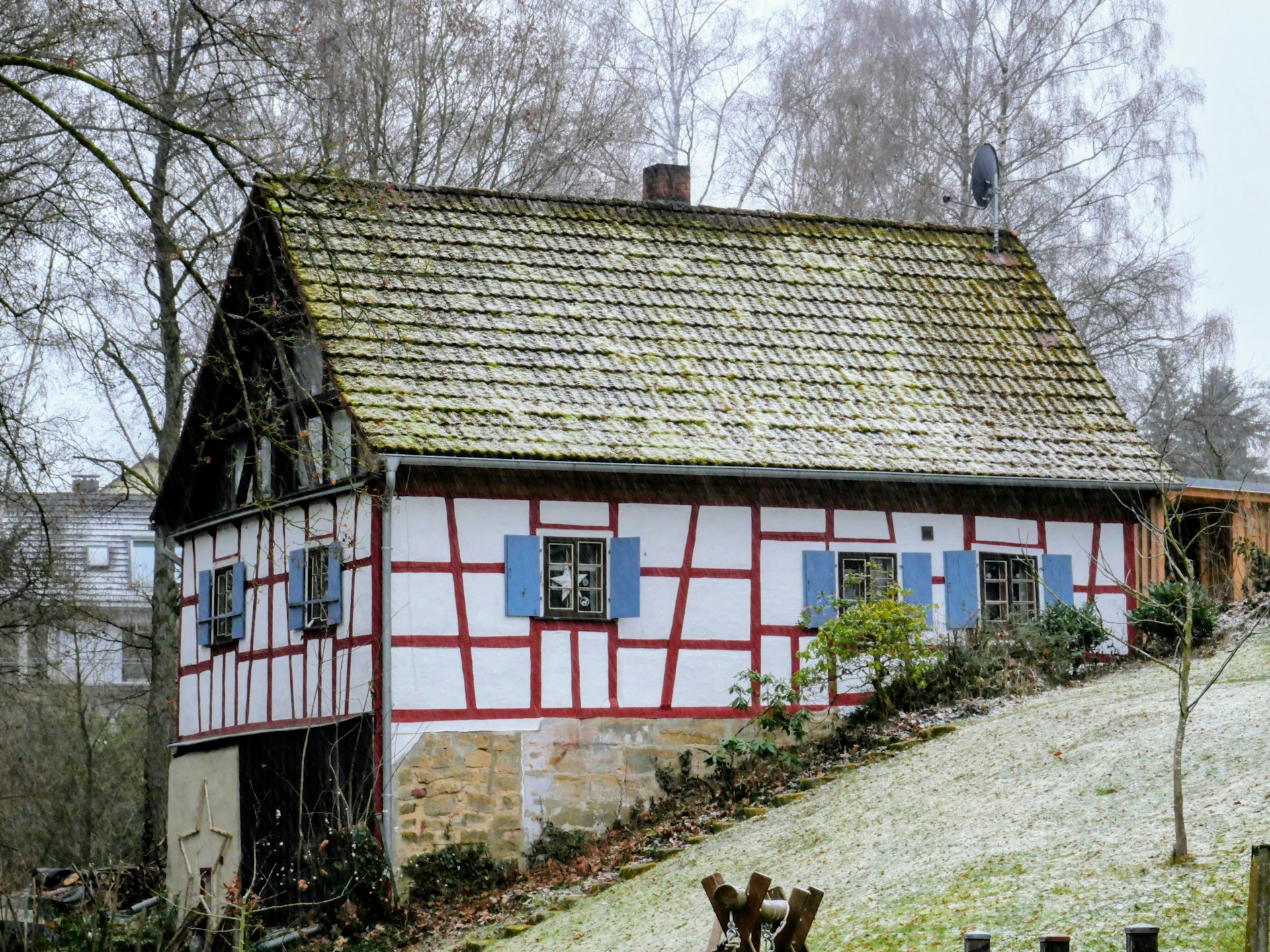
Germany often renovates old homes instead of replacing them because upgrading existing buildings preserves valuable housing, reduces waste, and keeps neighborhoods full of character. Reports discussed at www.berliner-zeitung.de reflect this. Making better use of existing buildings helps address housing needs while respecting the communities already built around them. A house with a few wrinkles isn’t ready for retirement. Sometimes it simply needs thoughtful care and a fresh purpose.
Strong Buildings Deserve a Second Chance
Many older homes were constructed with materials chosen for longevity rather than speed. Solid brick walls, heavy timber beams, and carefully crafted details still perform remarkably well decades after construction. If the structure remains sound, replacing the entire building often makes little practical sense. Improving what’s already there can deliver excellent results. Homes just need a few upgrades here and there. Good foundations deserve another opportunity to serve future generations.
Renovation Preserves Neighborhood Character
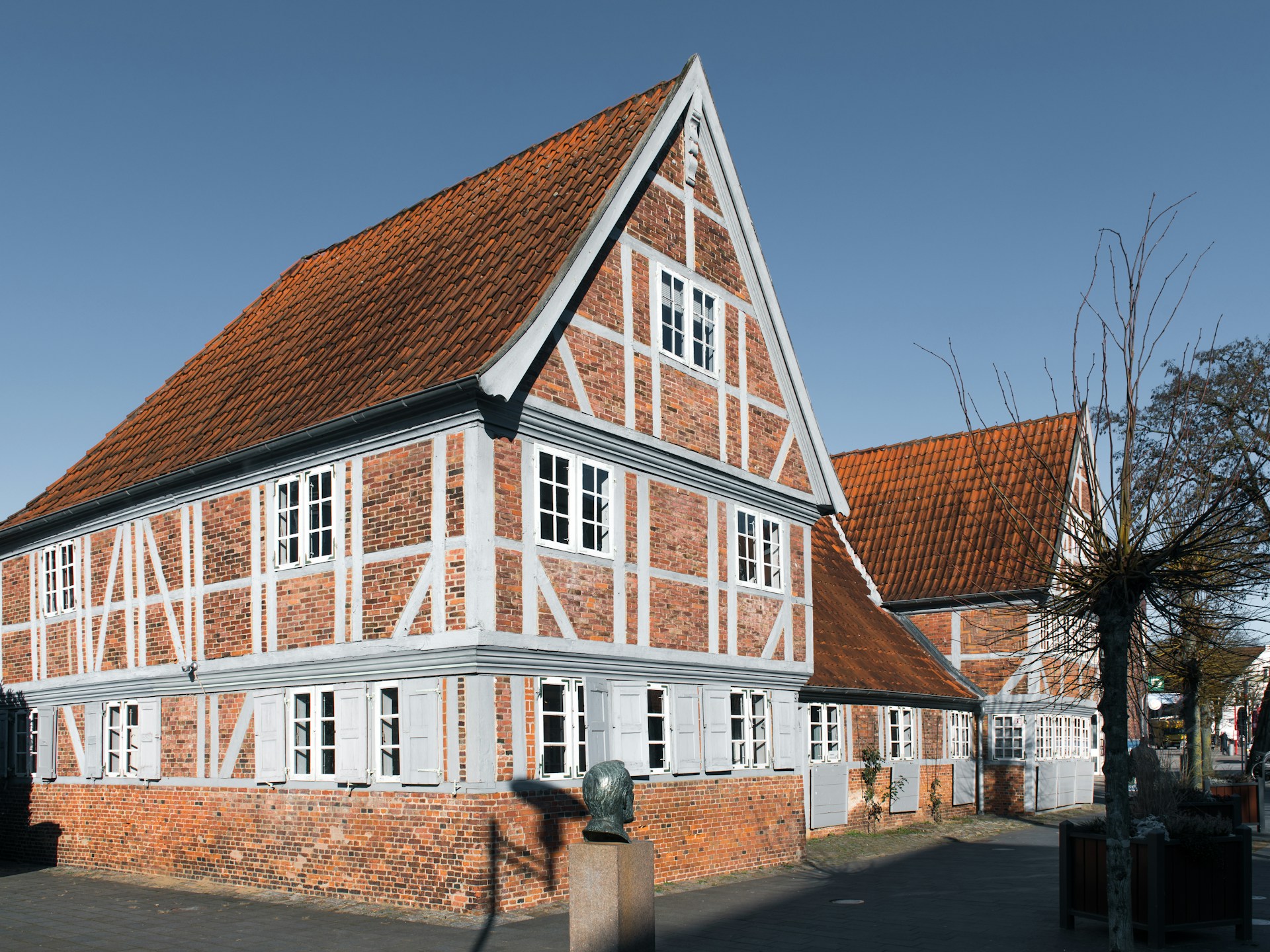
Every neighborhood tells a story through its buildings. Historic façades, mature trees, and familiar streets create a sense of place that brand-new developments sometimes struggle to match. Keeping older homes helps preserve that identity. Residents continue living in surroundings that feel familiar and welcoming. There’s also an emotional connection that numbers cannot easily measure. Families celebrate birthdays, welcome newborns, and gather for holidays inside these homes. Reusing existing buildings allows those memories to remain part of the neighborhood’s story. New chapters begin without erasing the earlier ones.
Modern Upgrades Bring Old Homes Into Today
Renovation doesn’t mean freezing a house in time. Older properties can receive better insulation, energy-efficient windows, updated plumbing, and modern electrical systems while keeping their original architectural charm. Those improvements make daily life more comfortable. They also reduce operating costs over the long run. Interior layouts can evolve as well. Walls may be removed where appropriate to create brighter living spaces, while unused rooms become home offices or playrooms. The house adapts without losing its personality. It’s a practical balance between tradition and modern living.
Reusing Buildings Makes Better Use of Resources
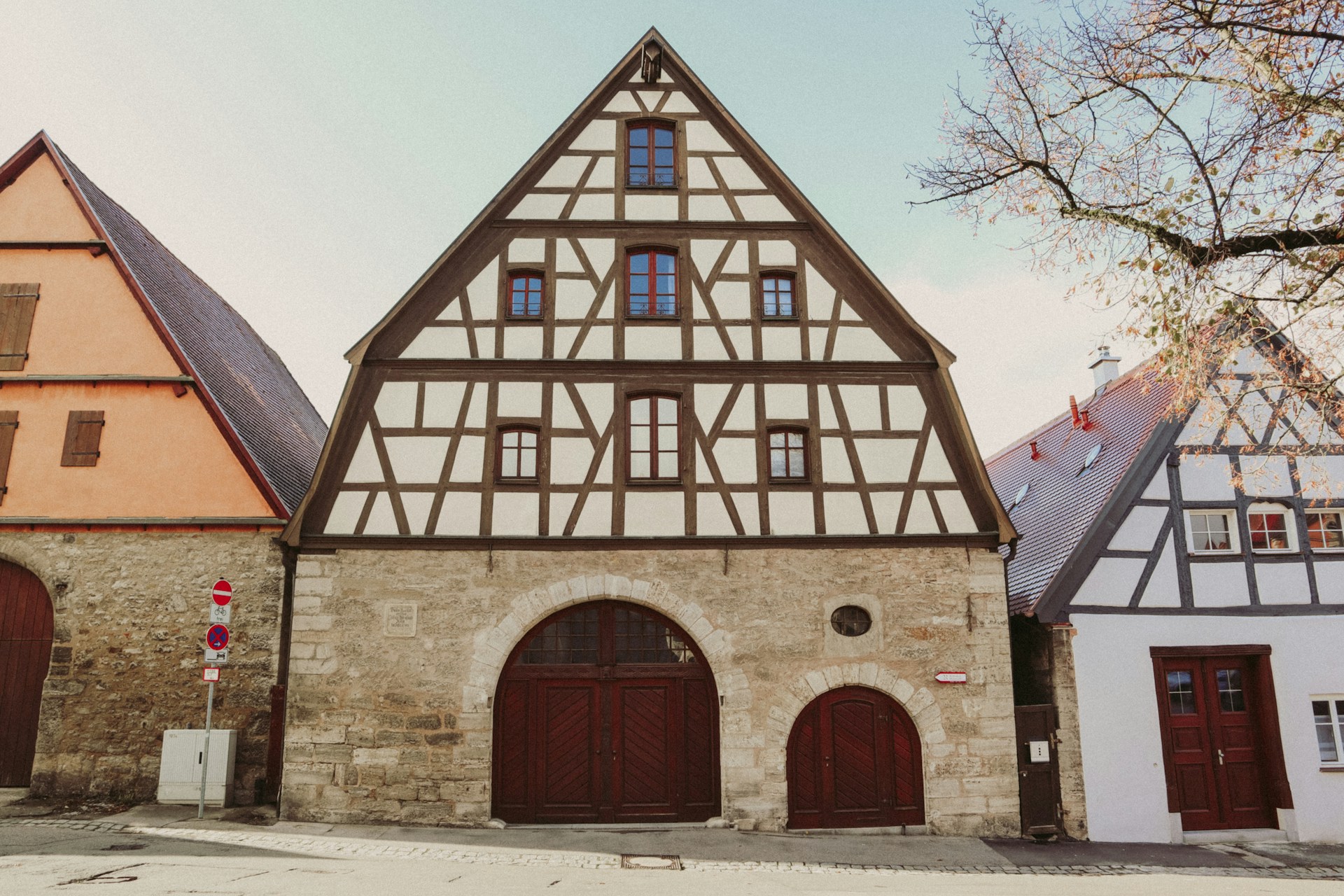
Constructing a brand-new home requires significant amounts of raw materials and energy. Renovating an existing building often reduces that demand because much of the original structure stays in place. Less demolition also means less construction waste heading to disposal sites. That’s a meaningful advantage for communities looking to use resources wisely. Time becomes another benefit. While major renovations still require planning, preserving the primary structure may shorten certain stages of construction. Homeowners can focus their investment on improvements instead of starting entirely from scratch.
A Long-Term Mindset Benefits Everyone
Choosing renovation over replacement reflects a broader way of thinking. Instead of viewing older houses as outdated, many people see them as valuable assets ready for another generation of use. Regular maintenance and thoughtful improvements keep these buildings functional for decades. Small, consistent investments often prevent much larger expenses later. The lesson reaches beyond Germany. Homes don’t always need to be replaced simply because styles or lifestyles have changed. With careful planning, an older property can remain comfortable, efficient, and welcoming while preserving the character that first made it worth building.