

German homes have a certain look that can be hard to describe until you start noticing the details. They often feel neat, practical, solid, and welcoming without being overly decorative. Some are centuries-old houses with timber framing and colorful facades, while others are sleek modern buildings with large windows and simple shapes. Despite the differences, there are architectural choices that give many German homes a recognizable character. From rooflines and materials to proportions and landscaping, the German aesthetic often combines practicality with a strong sense of place.
Clean Lines and Practical Design
One of the first things you may notice about German residential architecture is its sense of order. Many homes favor straightforward shapes, balanced proportions, and designs that have a clear purpose. This practical approach is closely connected to the country’s architectural traditions. For anyone interested in how architecture shapes the built environment, Muenchen ARCHITEKTUR offers a compelling perspective on the relationship among design, function, and place. Even contemporary German homes tend to avoid unnecessary decoration when a simpler solution works just as well.
The Roof That Does a Lot of the Talking
Roofs are a major part of a German home’s visual identity. Traditional pitched roofs are common, partly because they work well with Germany’s varied weather conditions. Steep or moderately angled roofs can help with rain and snow while also creating useful attic space. In some regions, roof shapes and materials have become part of the local architectural character. Modern homes may use flatter or more minimalist roofs, but traditional pitched forms remain an important visual reference.
Brick, Plaster, and Natural Materials
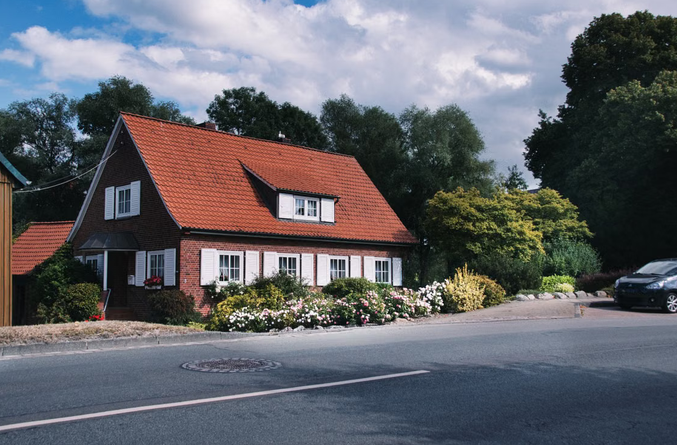
Materials can instantly change the personality of a house. In northern Germany, brick is strongly associated with regional architecture, while rendered or stucco walls are common in many other areas. Timber also has a long history, especially in traditional half-timbered houses. These materials aren’t simply decorative choices. They reflect local building traditions, available resources, climate, and craftsmanship. Modern homes may mix these familiar materials with glass, steel, and concrete to create a fresh interpretation of the German style.
Windows That Are More Than Just Windows
German homes often make thoughtful use of windows, balancing natural light with energy efficiency and privacy. Large contemporary windows can give newer houses a bright, open feeling, while traditional homes may have smaller, carefully proportioned openings. Shutters, window frames, and surrounding details can also contribute to the overall appearance. The result is often a home that feels connected to its surroundings without completely opening itself up to the street.
Regional Styles
There isn’t really one single German house style. Architecture can look quite different from Bavaria to Hamburg, from the Black Forest to the Rhineland. Bavarian homes, for example, may feature balconies, generous roof overhangs, and decorative details, while northern buildings can have a more restrained brick-based appearance. Historic regional traditions continue to influence new construction, helping give different parts of Germany their own architectural personalities.
Modern German Homes That Keep the Same Spirit
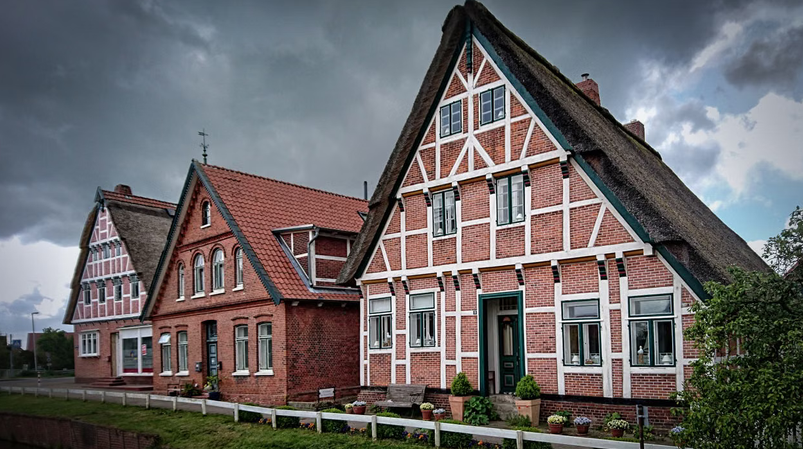
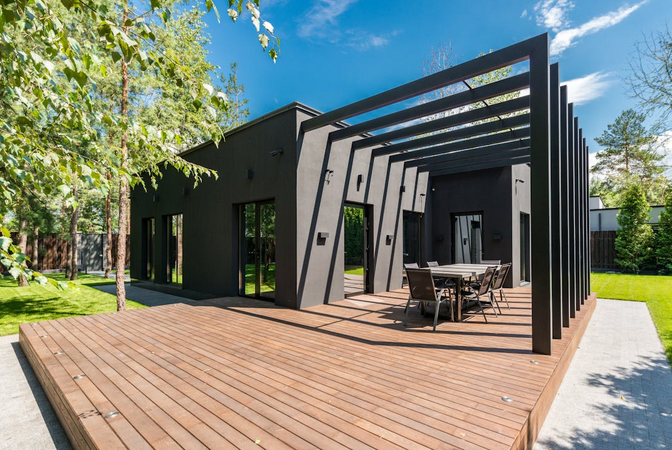
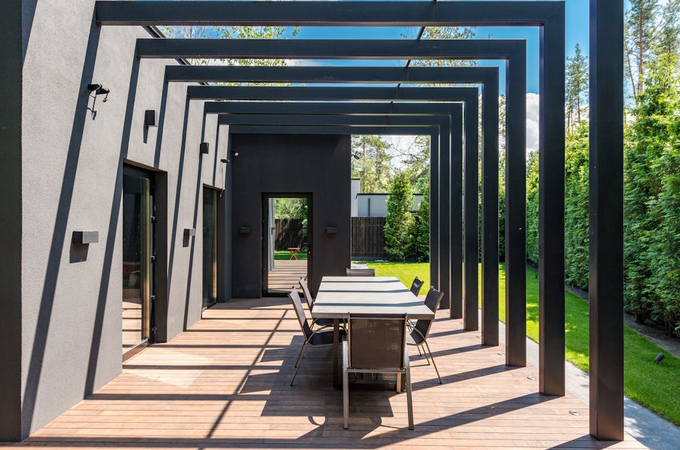
Contemporary German architecture may look very different from a traditional farmhouse, but there is often a common thread. Functionality, durability, energy efficiency, and careful use of space remain important. Simple facades, efficient insulation, sustainable materials, and clever layouts can create homes that feel distinctly modern while still fitting comfortably into their surroundings. The goal isn’t necessarily to copy the past but to build something that makes sense for today’s lifestyle.
Landscaping to Complete the Picture
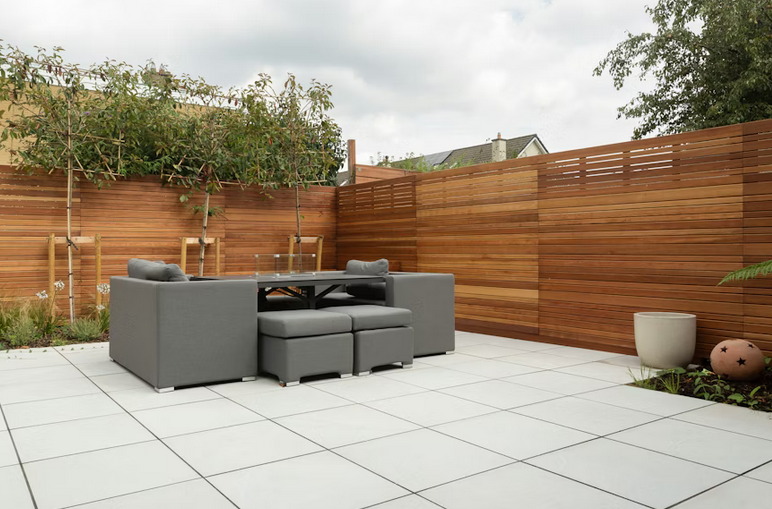
The architecture is only part of what makes a German home feel German. Gardens, paths, fences, balconies, and outdoor spaces all contribute to the overall impression. Landscaping is often tidy and intentional without necessarily feeling formal. A simple lawn, well-maintained plantings, a paved walkway, and an understated fence can make even a very modern house feel settled into its neighborhood.
What makes a German home look German isn’t one particular roof, material, or architectural feature. It’s the combination of practical design, regional traditions, thoughtful proportions, durable materials, and a strong connection to its surroundings. Traditional and modern homes may look completely different at first glance, but both can share the same underlying philosophy: make the building useful, comfortable, durable, and appropriate for its setting. That balance is a big part of what gives German residential architecture its lasting appeal.





 Clutter-free spaces are essential for a spa-like atmosphere. Storage solutions such as baskets, trays, and floating shelves help organize toiletries. These accessories keep everyday items within reach while maintaining a tidy appearance. Open shelving can display neatly arranged essentials, making the bathroom feel airy and inviting. Efficient storage ensures you spend less time searching for items and more time relaxing.

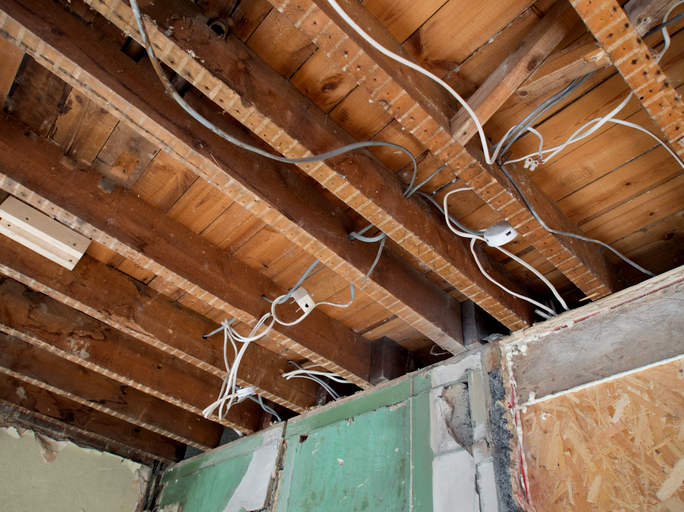

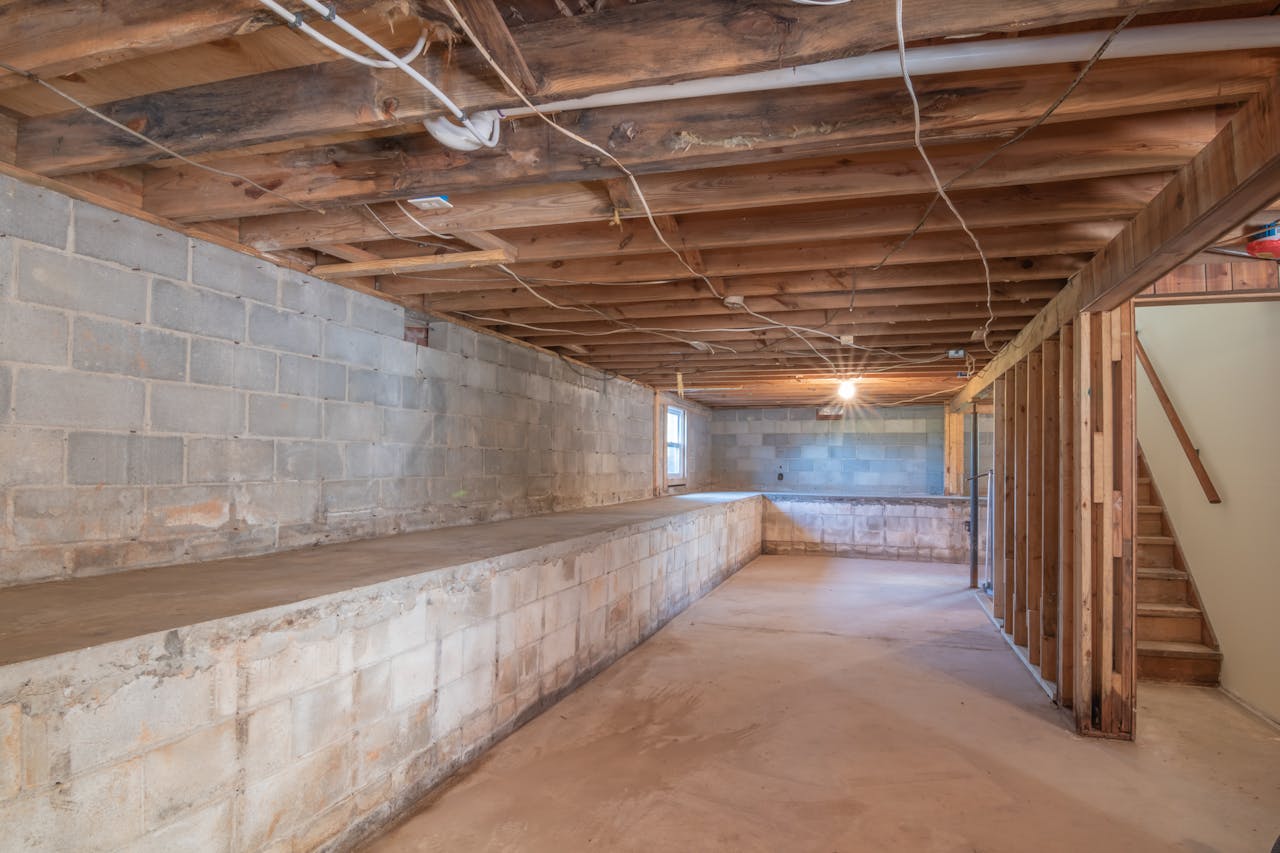
 Waterproofing is essential for preventing water damage, mold growth, and structural deterioration in basements. However, conventional waterproofing materials like asphalt-based coatings, plastic membranes, and chemical sealants can release volatile organic compounds (VOCs) and other harmful substances into the environment. These materials often have a high carbon footprint, both in terms of production and disposal. On the other hand, green waterproofing solutions aim to minimize these environmental impacts by using natural, recycled, or low-toxicity materials.
 Passive waterproofing techniques focus on preventing water from reaching the basement first, reducing the need for active waterproofing measures. One such technique is using green roofs, which cover the roof with vegetation to absorb rainwater and reduce runoff. Green roofs help manage water, provide insulation, reduce urban heat island effects, and promote biodiversity. Another passive approach is the strategic placement of rain gardens around the home.


 Before finalizing your housing decision, it’s crucial to research and understand the local fees that might apply in your new city. These fees can include property taxes, homeowner association (HOA) fees, municipal service fees, and even parking permits. Additionally, some cities impose fees for rental applications or security deposits. Familiarize yourself with the specific fees and regulations in your new area to avoid any surprises that could strain your housing budget.
 Housing maintenance and repairs are often overlooked when considering the true cost of housing. It’s crucial to set aside funds to cover unexpected repairs or regular maintenance tasks such as replacing appliances or fixing plumbing issues. Building a contingency fund that accounts for these expenses will help you avoid financial strain in the long run. When planning your housing budget in a new city, it’s essential to consider the hidden costs associated with housing to avoid financial surprises.
 One of the primary reasons for investing in a home cellar is the ability to create the ideal environment for storing wine. Proper storage conditions, including temperature, humidity, and light exposure, play a vital role in preserving the quality and flavors of your wines. A home cellar provides complete control over these factors, allowing you to maintain a consistent environment that safeguards your valuable collection.
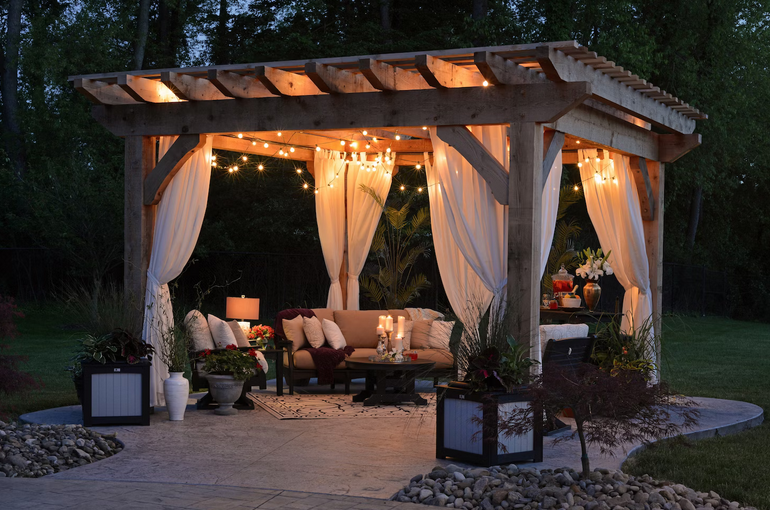





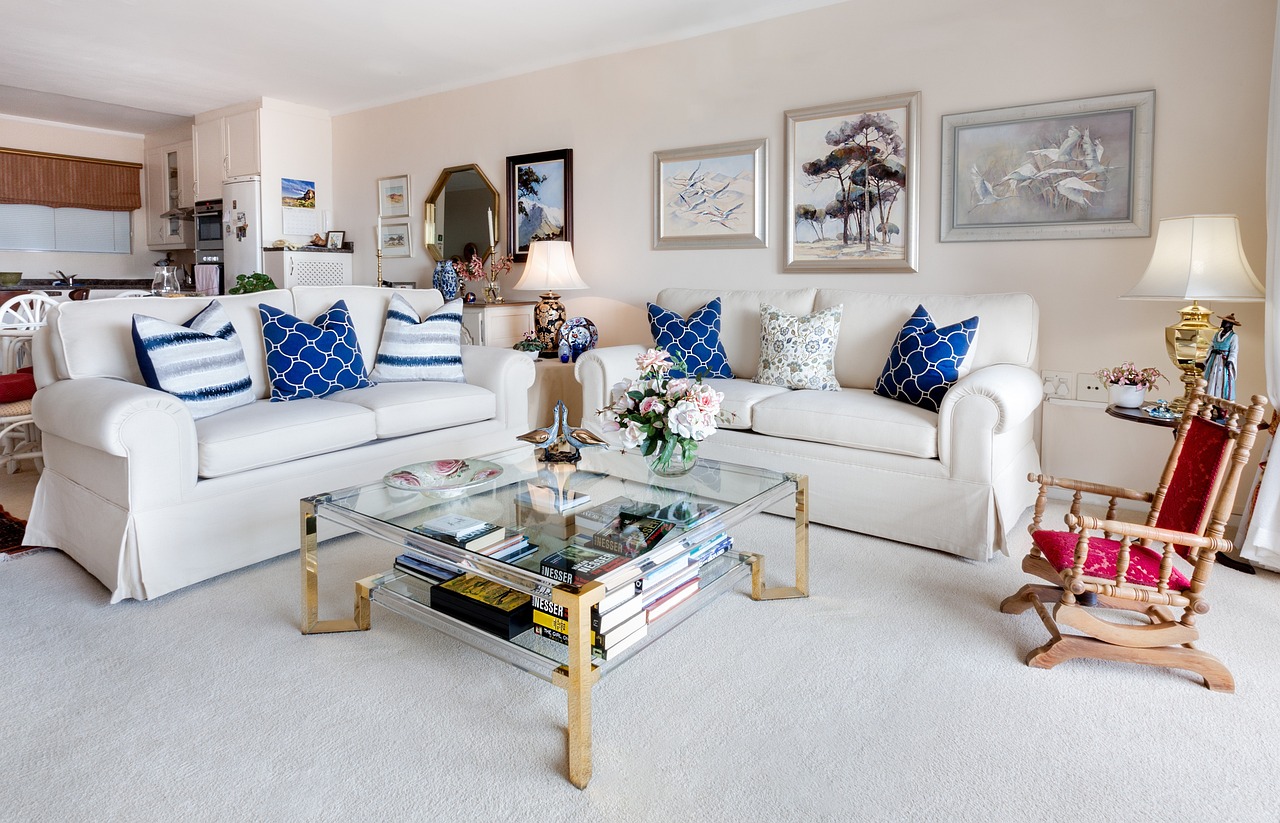
 First impressions matter, and visitors’ entryway is the first glimpse of your home. So why not make it inviting? Start by decluttering the area to create a clean and spacious entrance. A clutter-free space instantly sets the tone for a welcoming atmosphere. Next, consider adding a statement piece, such as an eye-catching mirror or artwork on the wall. This adds visual interest and gives your guests something to admire as soon as they step inside. You call also hang outside your door some of your DIY home decor. If you are new to it, and plan to make one, read about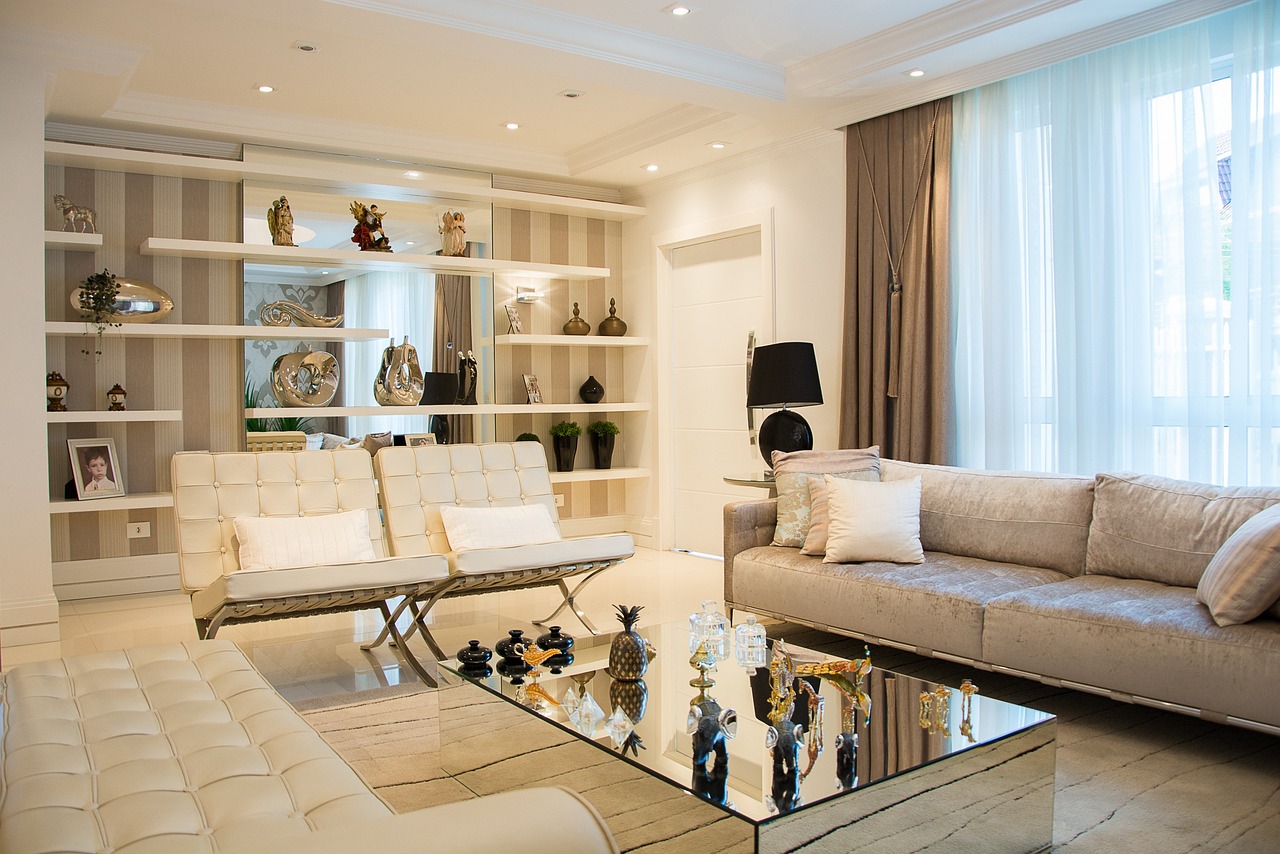
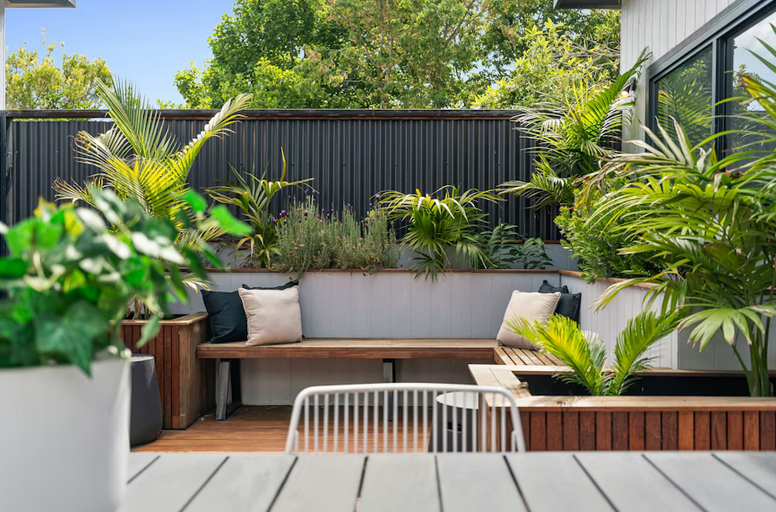
 Incorporating greenery to your home is a simple yet effective way to make it more welcoming and inviting. Plants do not only add beauty and visual interest to any space, but they also have numerous benefits for our well-being. The easiest ways to incorporate greenery into your home is by placing potted plants in various rooms. Whether it’s a small succulent on your desk or a large fern in the living room, plants instantly bring life and freshness to any environment.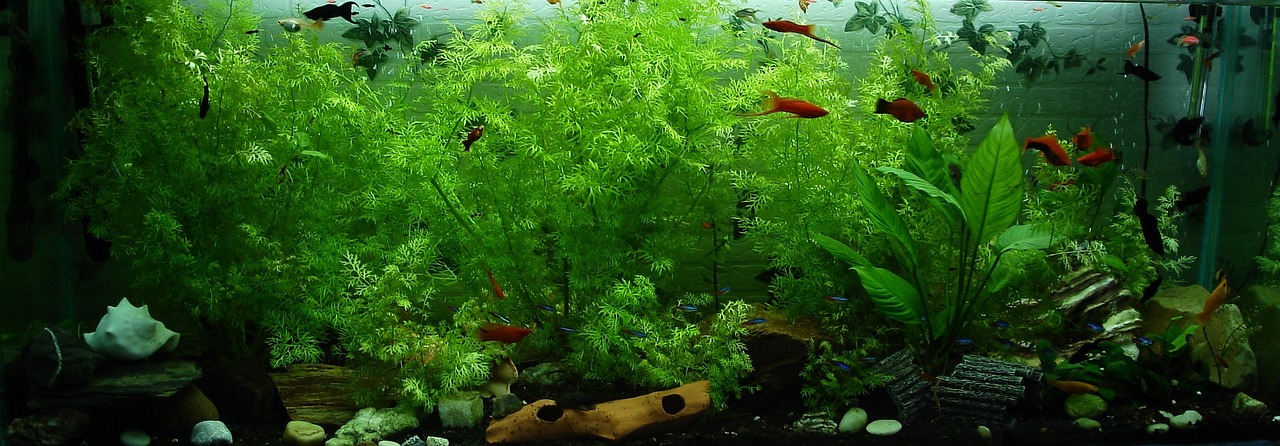
 When selecting an aquarium for your home, you must first decide what aquarium size you want. It would help if you considered not only the length and width of the aquarium but also its height. Placement location is also important. Aquariums should be placed in well-lit areas away from direct sunlight to ensure proper viewing.
 By considering the size, placement location, budget, aquarium equipment, and water conditions of the aquarium you want for your home, you can find the perfect aquarium that will bring years of enjoyment. Your aquarium will become a vibrant and thriving aquatic ecosystem with proper setup and care. With the right aquarium, you’ll watch its inhabitants grow and thrive in their new home.
 Working from home might be the dream of every office worker out there, and while it has its own set of challenges, such as setting up a home office and dealing with distractions, it also comes with many perks. For one, you can save on gas or public transportation costs. You also have the flexibility to take care of household chores in between conference calls or meetings. And if you have young children, you can save on childcare costs.
 Because of the coronavirus pandemic transmission method, i.e., human-to-human contact, you probably won’t be having guests anytime soon now, which means this will be the perfect time to finally tackle those home improvement projects you’ve been putting off. From painting the walls to gutting the kitchen, you can finally get around to renovating your home precisely the way you want it without worrying about guests coming over and judging your work. So, there you have it, some of the silver linings of living in a pandemic for homeowners.

 Another significant advantage of having trees in your living area is that they can help reduce energy costs. During the summer, trees provide shade and block the sun’s rays from entering your home. This way, you won’t have to rely on air conditioning as much to keep your home cool. In the winter, they work in the opposite way by allowing the sun’s rays to enter your home and help keep it warm.
 Trees are great for structural integrity because the roots actually help hold the soil in place, which can be essential during heavy rains and floods. They also provide a windbreak for your home during storms and high winds.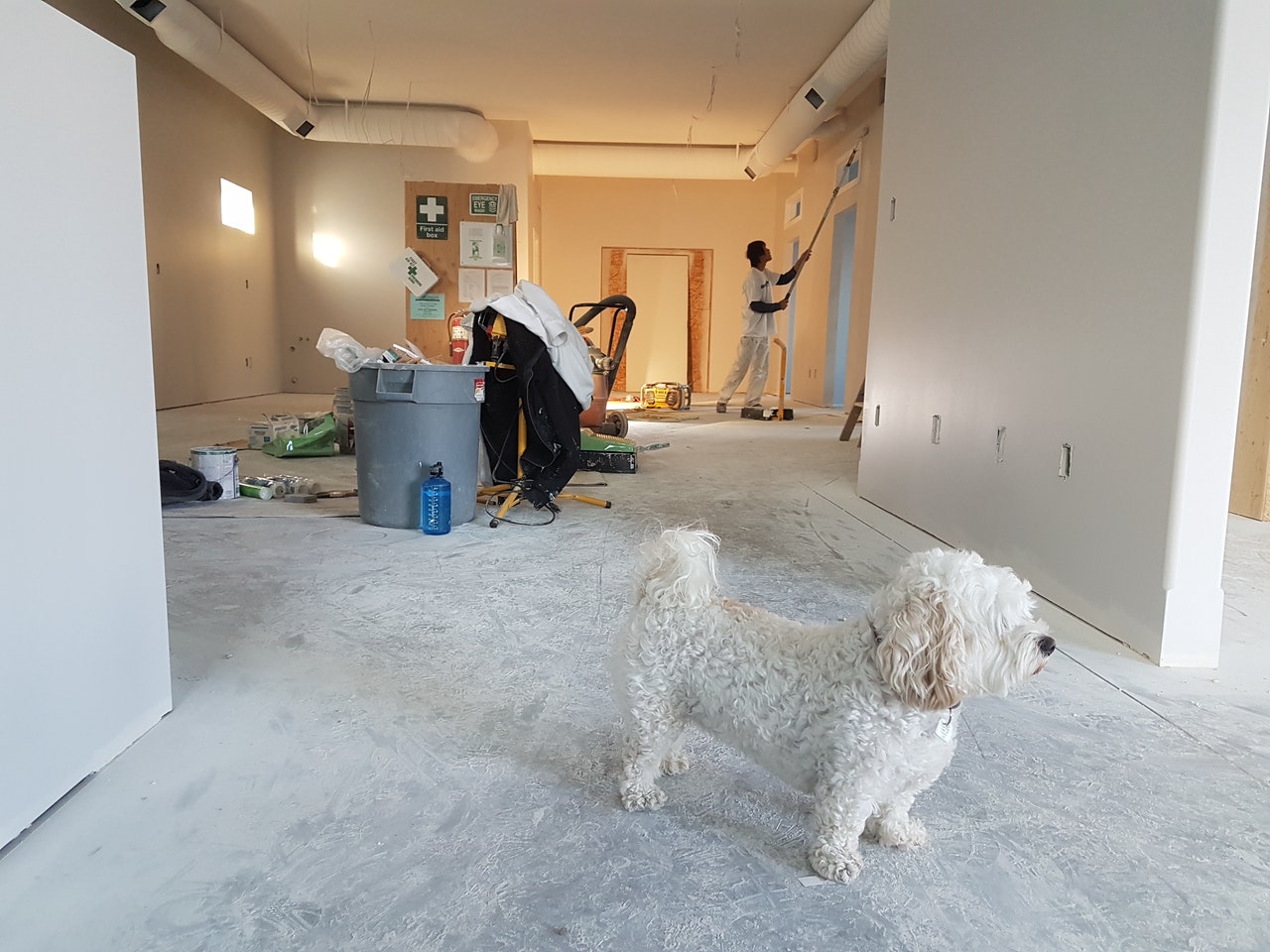
 Before you even start your project, you need to determine how much money you’re willing to spend. This will help guide your decisions and ensure that you don’t overspend. Once you have a budget in mind, stick to it. This is very important because it can be easy to get caught up in the project and spend more money than you intended. Having a budget will help keep you on track. This is also to avoid financial along with the construction.
 If you’re planning on doing any work yourself, it’s essential to prepare the house first. This includes things like removing all of the furniture from the room and covering the floors. It would be best if you also took care of any repairs that need to be made before starting the renovation. This is important so that you don’t damage your home during the construction process. Preparing the house can distinguish between a successful renovation and a disaster. You might need to move out of the house for a while in some scenario.
 The most important things you can do to optimize your bedroom for better sleep is to make sure it is dark and quiet. The darker and quieter your bedroom, the easier it will be for your body to relax and fall asleep. If possible, try to avoid having any lights on in your
  Another way to optimize your bedroom for better sleep is by getting rid of electronic devices before bedtime. The blue light emitted by screens can disrupt your body’s natural sleep cycle, so it is essential to avoid using phones, laptops, and TVs in the hours leading up to bed. If you must use a screen before bed, try using a blue light filter or installing an app that blocks blue light. By following these tips, you can create a more conducive environment for sleep and start seeing the benefits in no time.
 When you’re moving to a new home, you must create a budget. It will help you set aside enough money for moving and other expenses such as insurance or utility bills. You can use an online calculator to determine how much it’ll cost based on your income level and current location. If possible, try to save up money before you move so that you’ll have extra cash on hand if needed.
 When you’re moving to a new area, it’s essential to do your research. It includes things like checking out the schools in the area, researching crime rates, and finding out what the weather is like. By knowing as much as possible about your new neighborhood, you’ll be able to feel more comfortable and confident when you move in. By avoiding the mistakes listed above, you’ll be able to make your relocation go as smoothly as possible. Ensure you hire a moving company, plan to avoid any last-minute stress.
 Mold and mildew can cause a lot of damage to your roof, and it can be hazardous for your family if it’s not taken care of. A professional roof cleaning company will know how to get rid of the mold and mildew safely and effectively. It may be hard to tell when you should go ahead and get your roof replaced, but if it’s looking like the cost of replacing it is less than what you’d spend on cleaning services for a few years, then maybe that’s something worth thinking about! Hiring a professional will help extend the life of your roof.
 Roof cleaning services will save you time and money in the long run because they don’t require any maintenance from your end. You won’t have to worry about hiring someone else for this service later on, either. It’s a cost-effective solution that makes sense. A professional roof cleaning company will also get better results than you could do yourself with the right equipment. They have experience and knowledge on how to clean different types of roofs safely and effectively, so it’s best to leave this job to the professionals.
 When considering which type of home water filter to buy, you must first determine what contaminants are in your tap water. There are many different filters available on the market that can remove specific contaminants from your water. Some filters are better at removing certain chemicals than others, so it is essential to research before purchasing.
 The best way to determine what type of home water filter to buy is by looking at your home’s water system. There are three main types of filters: pitchers, countertop models, and under-the-sink models. Pitchers are the least expensive option but do not remove as many contaminants from the water as other models. Countertop and under-the-sink models are larger and more expensive, but they can remove a more comprehensive array of chemicals from the water.
 One of the main benefits of hiring a professional tree removal service is that they have the necessary tools to do the job correctly. These professionals have everything they need to safely remove your tree from chainsaws and cranes to bucket trucks and stump grinders.
 They also offer cleaning services after they remove your tree. This may include eliminating any stumps or debris behind and planting grass seed in the area if necessary. By hiring a professional to do this work, you can avoid potential injury while doing it yourself.
 Determine what type of garden you want before you start buying plants. Do you want a vegetable garden, flower garden, or both? Once you have an idea of what you would like to plant in your garden, choosing the right flowers will be much easier. If you are looking for beautiful flowers to enhance your home landscape, there are some specific plants that you should consider. Some popular options include roses, lilies, and daisies. There are a lot of different flowers to choose from, so take your time and find the perfect plants for your garden.
 When choosing flowers, it is essential to consider the colors that will be most appealing in your garden. You may want to select various colors to create a beautiful display, or you may want to stick with one or two colors for a more subtle look. If you are looking for something cheerful and bright, consider using brightly colored flowers like tulips, daffodils, or sunflowers. If you want a more relaxing and tranquil feel, consider using pastel colors like lavender or baby’s breath.