
When building or renovating a home, selecting the proper insulation is a decision that impacts comfort, energy efficiency, and long-term costs. While synthetic options like fiberglass or foam are common, many homeowners are turning to natural roof insulation materials for their numerous advantages. From reducing heating bills to improving indoor air quality, these eco-friendly materials provide both practical and environmental benefits. For homeowners seeking guidance on avoiding expensive mistakes during construction, check out news.de for helpful advice on managing construction costs effectively. Choosing natural insulation is a sustainable option and a smart investment for your property’s value and longevity.
Energy Efficiency and Cost Savings
One of the most significant benefits of natural roof insulation is its ability to maintain consistent indoor temperatures. Materials such as sheep’s wool, cellulose, and cork have excellent thermal performance, keeping homes warm in winter and cool in summer. This efficiency reduces energy consumption and heating and cooling bills over time. Unlike some synthetic insulation that may lose effectiveness or settle unevenly, natural materials often retain their insulating properties for decades, offering long-term financial savings.
Eco-Friendly and Sustainable
Natural insulation materials are biodegradable, renewable, and have a lower environmental impact than conventional synthetic products. Using materials derived from plants or animals reduces reliance on petrochemicals and decreases carbon footprints associated with production. Additionally, some options, like cellulose insulation, are made from recycled paper products, further contributing to sustainability. Homeowners concerned about environmental responsibility can feel confident that their choice supports greener construction practices while minimizing future ecological harm.
Durability and Long-Term Performance

Many natural insulation options are surprisingly resilient and long-lasting. Wool, for example, resists compression and has maintained its loft for decades, while cork is highly resistant to moisture and insect damage. These qualities mean homeowners are less likely to need frequent replacements or repairs, which is a common issue with low-quality synthetic materials. Over time, the durability of natural materials contributes to cost savings and protects the investment in your property.
Improved Indoor Air Quality
Unlike some synthetic insulation products that may release volatile organic compounds (VOCs) or irritants over time, natural roof insulation generally contributes to healthier indoor air. Materials such as hemp, cork, and wool can absorb and release moisture without promoting mold growth, helping to regulate humidity levels in your home. This natural breathability reduces the risk of damp-related problems and creates a more comfortable living environment. Natural insulation offers a safer alternative for families sensitive to allergies or chemical exposure that promotes overall well-being.
Soundproofing and Comfort
Beyond thermal benefits, natural roof insulation often provides superior acoustic performance. Materials like cellulose and wool are excellent at dampening sound, which is particularly useful in urban areas or homes near busy streets. This noise reduction enhances comfort and creates a quieter, more serene indoor environment. Additionally, the natural breathability of these materials helps maintain consistent indoor humidity, further contributing to the home’s comfort and overall living experience.
Selecting natural roof insulation materials is a choice that delivers multiple advantages, from energy savings and long-term cost efficiency to environmental responsibility and enhanced indoor comfort. The top five reasons to choose these materials include superior energy efficiency, sustainable and eco-friendly sourcing, improved indoor air quality, durability and longevity, and effective soundproofing. Homeowners who prioritize both functionality and sustainability can benefit from making natural insulation a key component of their building or renovation projects. Investing in high-quality, environmentally conscious materials makes it possible to achieve a home that is comfortable, energy-efficient, and built to last for decades.
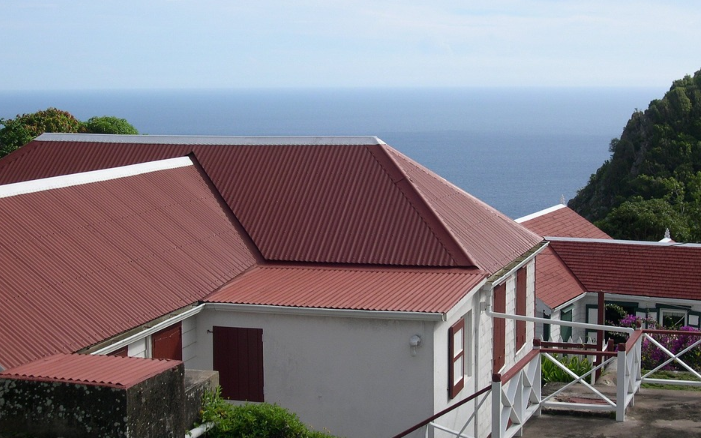

 Another decisive advantage of this material is its fire resistance. It has a better chance of surviving a fire, but it is also valuable in areas where forest fires are frequent. While heat creates a swirling effect in forest fires, the embers easily fall to the nearest surface and ignite immediately. Metal roofs can prevent such a catastrophe from occurring.
 Roofing is a vital part of house construction. According to
  Roofers complete an average of 30 to 40 jobs per year. A new roof to your old home can boost its durability in addition to its value. Aside from increasing the value of your home, good roofing transforms your house’s appearance and guarantees peace of mind.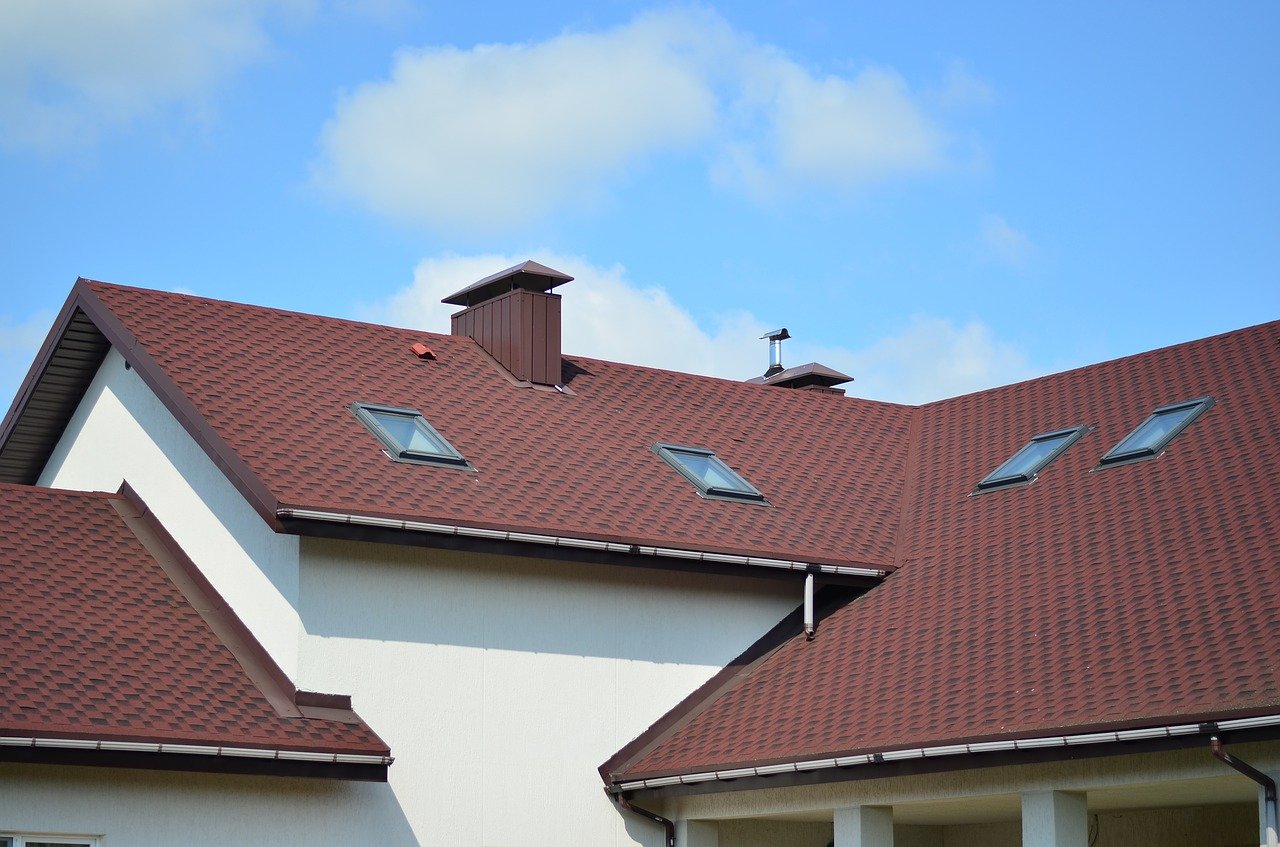
 Hire an Expert
 It is unlikely to be a better decision if you have replaced it with a plastic roof. To get a better and stronger home, you need to buy a good base and roof. You want to take the following measures to restore your roof, like consider a durable substrate. Especially so for the cladding of panels, the sound transmission elements of the groups affected by dirt, pollution, and the passage of time. The appearance and brightness of a false ceiling will be likely to restore. Choosing the best layer for your roof is the main factor.