
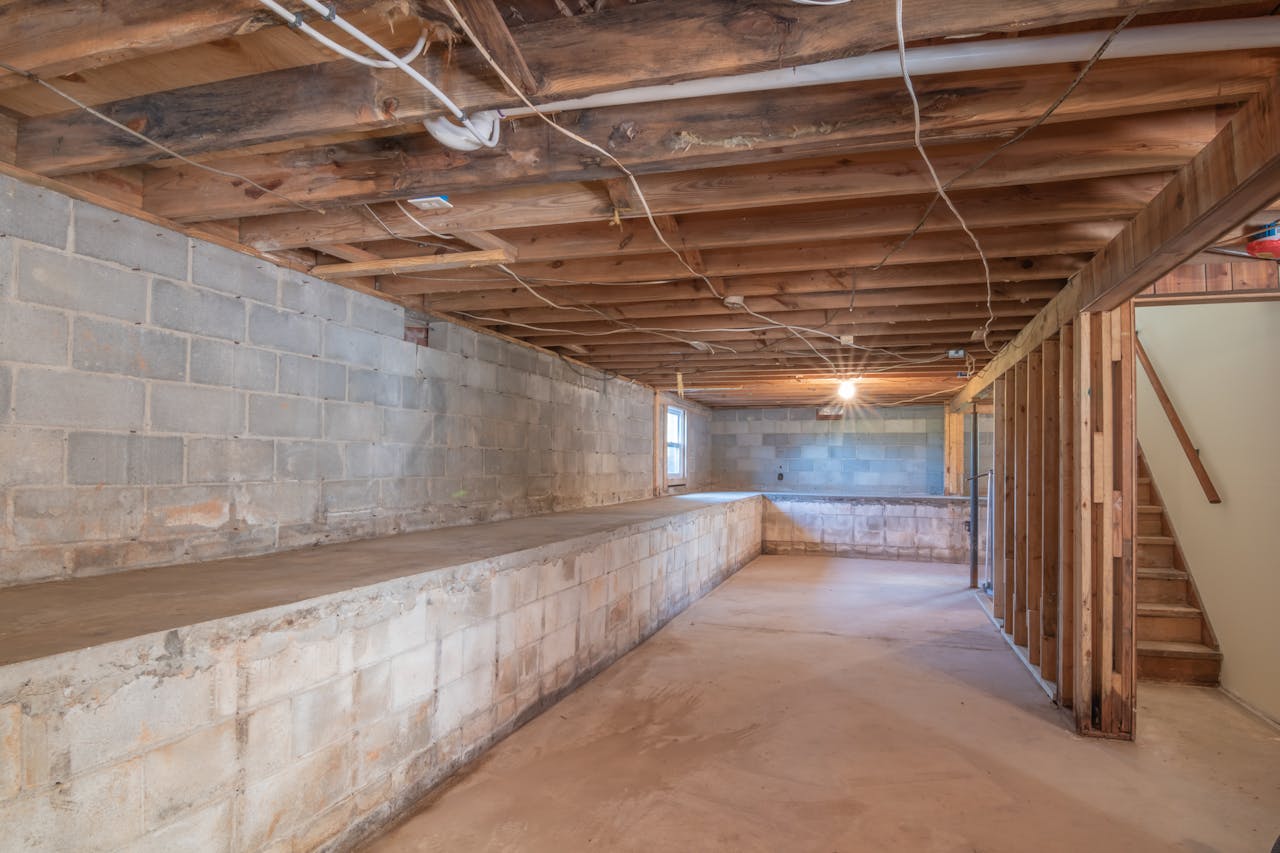
Waterproofing the basement is a critical step in ensuring the longevity and safety of a home, particularly in areas prone to heavy rainfall or groundwater infiltration. However, traditional waterproofing methods often involve using chemical-laden products that can harm the environment. If the demand for sustainable building practices grows, as explained on energiesparhaus.at, so will the need for green solutions that effectively waterproof basements while minimizing environmental impact. This article explores eco-friendly techniques and materials for waterproofing basements, offering homeowners and builders sustainable alternatives that protect both the structure and the planet.
The Importance of Eco-Friendly Waterproofing
 Waterproofing is essential for preventing water damage, mold growth, and structural deterioration in basements. However, conventional waterproofing materials like asphalt-based coatings, plastic membranes, and chemical sealants can release volatile organic compounds (VOCs) and other harmful substances into the environment. These materials often have a high carbon footprint, both in terms of production and disposal. On the other hand, green waterproofing solutions aim to minimize these environmental impacts by using natural, recycled, or low-toxicity materials.
Using Natural and Recycled Waterproofing Materials
Natural and recycled materials are one of the most effective ways to achieve eco-friendly waterproofing. Bentonite clay is a popular natural waterproofing material that has been used for centuries due to its excellent water absorption and expansion properties. When hydrated, bentonite clay forms a gel-like barrier that prevents water from penetrating the basement walls. This natural material is non-toxic, renewable, and has a low environmental impact. Another green option is using recycled rubber membranes made from repurposed tires. These membranes provide a durable and flexible waterproofing barrier while reducing waste that would otherwise end up in landfills. These aggregates improve the basement’s drainage and help reduce the environmental impact of traditional concrete production.
Incorporating Permeable Landscaping and Drainage Systems
Effective water management around the foundation is crucial for preventing basement water infiltration, and eco-friendly landscaping and drainage systems play a vital role in this process. Permeable landscaping involves using materials like permeable pavers, gravel, or grass to allow water to seep into the ground rather than running off toward the basement walls. This approach helps manage surface water, reducing the risk of basement flooding.
Applying Low-VOC and Non-Toxic Sealants
When it comes to sealing cracks and joints in basement walls, floors, and foundations, choosing low-VOC and non-toxic sealants is essential for maintaining an eco-friendly approach. Traditional sealants often contain harmful chemicals that can off-gas over time, negatively impacting indoor air quality and contributing to environmental pollution. Low-VOC sealants, made from water-based or plant-based ingredients, offer a safer alternative without compromising performance. These sealants effectively seal cracks and prevent water intrusion while reducing harmful substances’ release into the air.
Implementing Passive Waterproofing Techniques
 Passive waterproofing techniques focus on preventing water from reaching the basement first, reducing the need for active waterproofing measures. One such technique is using green roofs, which cover the roof with vegetation to absorb rainwater and reduce runoff. Green roofs help manage water, provide insulation, reduce urban heat island effects, and promote biodiversity. Another passive approach is the strategic placement of rain gardens around the home.
Rain gardens are designed to capture and filter rainwater, allowing it to infiltrate the soil rather than pooling near the foundation slowly. This not only prevents basement flooding but also helps recharge groundwater supplies.
Conclusion
Green solutions for waterproofing basements offer a sustainable alternative to traditional methods that can harm the environment and human health. These sustainable practices not only contribute to a healthier home environment but also support broader ecological goals by conserving resources, reducing pollution, and promoting renewable materials.

 One of the primary reasons for investing in a home cellar is the ability to create the ideal environment for storing wine. Proper storage conditions, including temperature, humidity, and light exposure, play a vital role in preserving the quality and flavors of your wines. A home cellar provides complete control over these factors, allowing you to maintain a consistent environment that safeguards your valuable collection.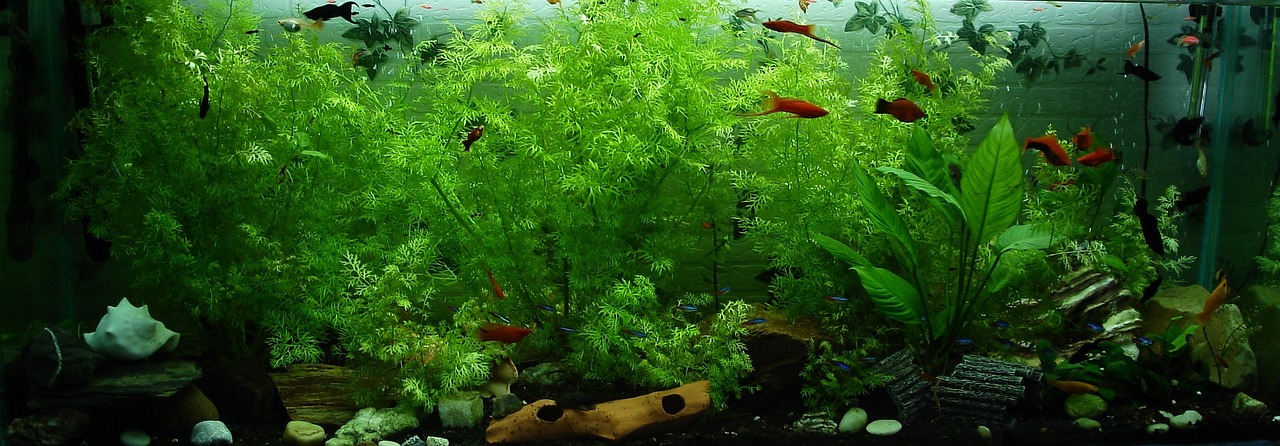
 When selecting an aquarium for your home, you must first decide what aquarium size you want. It would help if you considered not only the length and width of the aquarium but also its height. Placement location is also important. Aquariums should be placed in well-lit areas away from direct sunlight to ensure proper viewing.
 By considering the size, placement location, budget, aquarium equipment, and water conditions of the aquarium you want for your home, you can find the perfect aquarium that will bring years of enjoyment. Your aquarium will become a vibrant and thriving aquatic ecosystem with proper setup and care. With the right aquarium, you’ll watch its inhabitants grow and thrive in their new home.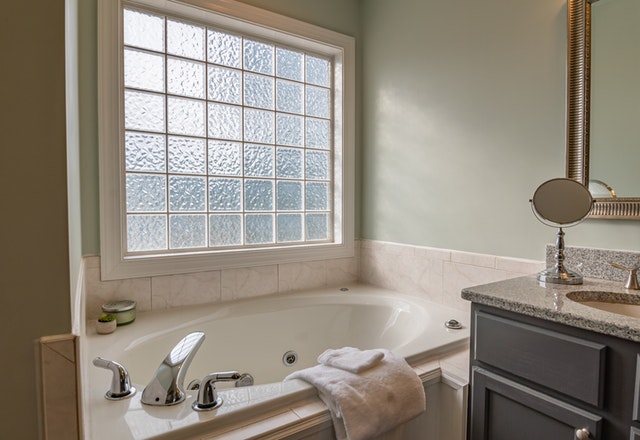
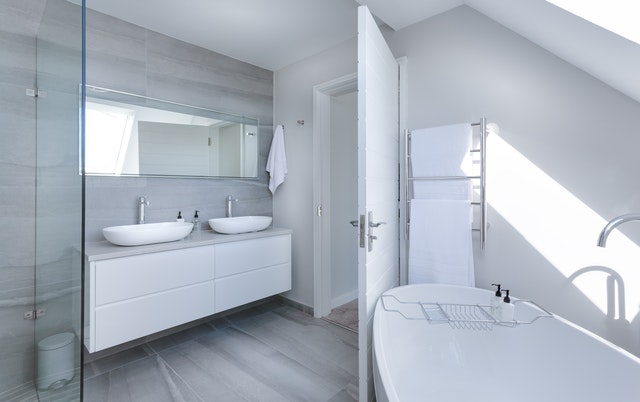
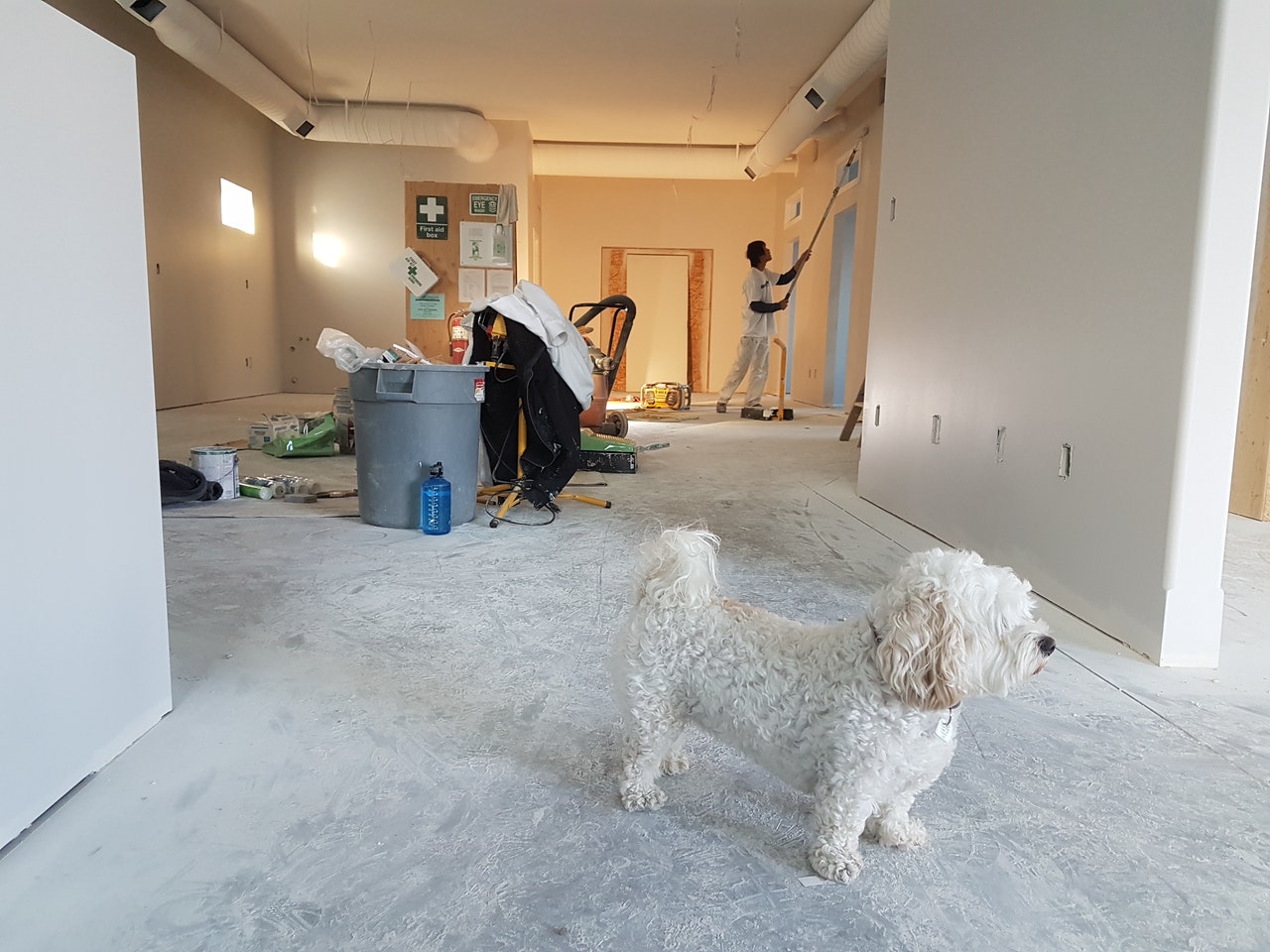
 Before you even start your project, you need to determine how much money you’re willing to spend. This will help guide your decisions and ensure that you don’t overspend. Once you have a budget in mind, stick to it. This is very important because it can be easy to get caught up in the project and spend more money than you intended. Having a budget will help keep you on track. This is also to avoid financial along with the construction.
 If you’re planning on doing any work yourself, it’s essential to prepare the house first. This includes things like removing all of the furniture from the room and covering the floors. It would be best if you also took care of any repairs that need to be made before starting the renovation. This is important so that you don’t damage your home during the construction process. Preparing the house can distinguish between a successful renovation and a disaster. You might need to move out of the house for a while in some scenario.
 The most important things you can do to optimize your bedroom for better sleep is to make sure it is dark and quiet. The darker and quieter your bedroom, the easier it will be for your body to relax and fall asleep. If possible, try to avoid having any lights on in your
  Another way to optimize your bedroom for better sleep is by getting rid of electronic devices before bedtime. The blue light emitted by screens can disrupt your body’s natural sleep cycle, so it is essential to avoid using phones, laptops, and TVs in the hours leading up to bed. If you must use a screen before bed, try using a blue light filter or installing an app that blocks blue light. By following these tips, you can create a more conducive environment for sleep and start seeing the benefits in no time.
 Mold and mildew can cause a lot of damage to your roof, and it can be hazardous for your family if it’s not taken care of. A professional roof cleaning company will know how to get rid of the mold and mildew safely and effectively. It may be hard to tell when you should go ahead and get your roof replaced, but if it’s looking like the cost of replacing it is less than what you’d spend on cleaning services for a few years, then maybe that’s something worth thinking about! Hiring a professional will help extend the life of your roof.
 Roof cleaning services will save you time and money in the long run because they don’t require any maintenance from your end. You won’t have to worry about hiring someone else for this service later on, either. It’s a cost-effective solution that makes sense. A professional roof cleaning company will also get better results than you could do yourself with the right equipment. They have experience and knowledge on how to clean different types of roofs safely and effectively, so it’s best to leave this job to the professionals.
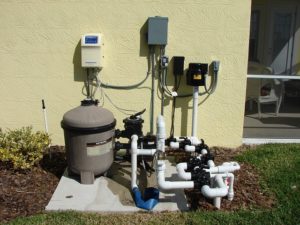 When considering which type of home water filter to buy, you must first determine what contaminants are in your tap water. There are many different filters available on the market that can remove specific contaminants from your water. Some filters are better at removing certain chemicals than others, so it is essential to research before purchasing.
 The best way to determine what type of home water filter to buy is by looking at your home’s water system. There are three main types of filters: pitchers, countertop models, and under-the-sink models. Pitchers are the least expensive option but do not remove as many contaminants from the water as other models. Countertop and under-the-sink models are larger and more expensive, but they can remove a more comprehensive array of chemicals from the water.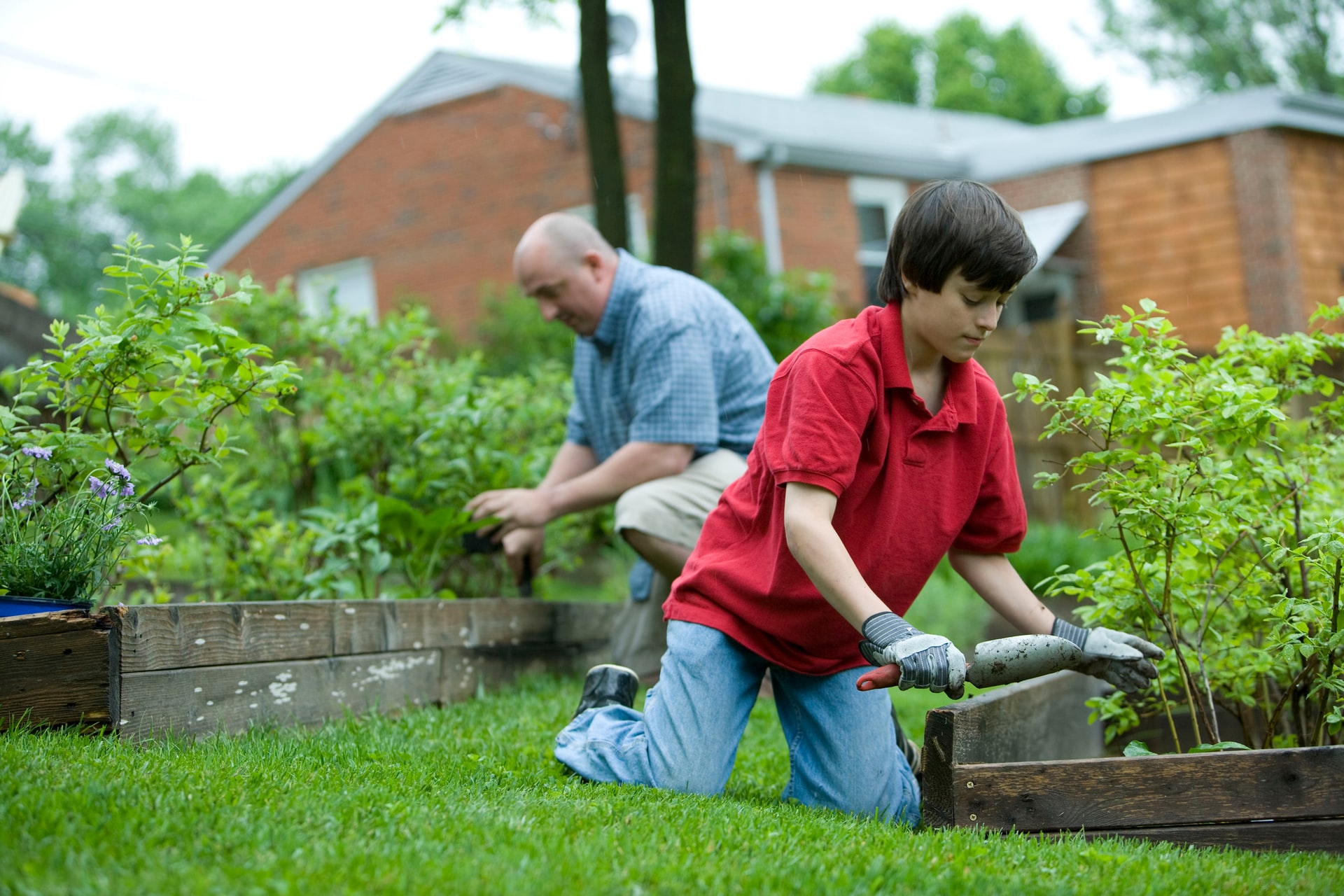
 Determine what type of garden you want before you start buying plants. Do you want a vegetable garden, flower garden, or both? Once you have an idea of what you would like to plant in your garden, choosing the right flowers will be much easier. If you are looking for beautiful flowers to enhance your home landscape, there are some specific plants that you should consider. Some popular options include roses, lilies, and daisies. There are a lot of different flowers to choose from, so take your time and find the perfect plants for your garden.
 When choosing flowers, it is essential to consider the colors that will be most appealing in your garden. You may want to select various colors to create a beautiful display, or you may want to stick with one or two colors for a more subtle look. If you are looking for something cheerful and bright, consider using brightly colored flowers like tulips, daffodils, or sunflowers. If you want a more relaxing and tranquil feel, consider using pastel colors like lavender or baby’s breath.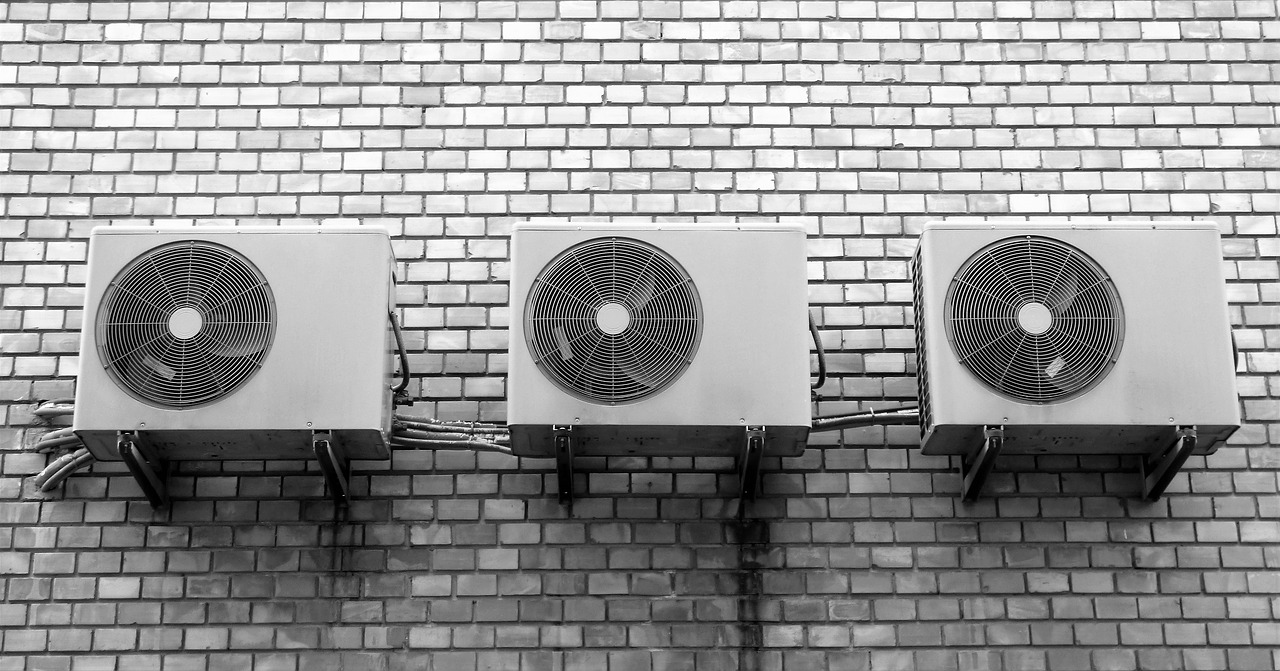
 It would be best if you also researched your competition. Figure out what you can do better than others in the industry to stand out and attract customers. You might even want to consider entering into a niche that isn’t very crowded yet, like offering duct cleaning services for newly built homes or low-income families who need it most but cannot afford it otherwise. If you join a crowded niche, brave yourself for competition. While you’re at it, make sure to check local ordinances as well. In many areas of the country, there are laws about which businesses can perform duct cleaning and how they must do so. Make sure that your business complies with those rules from day one.