
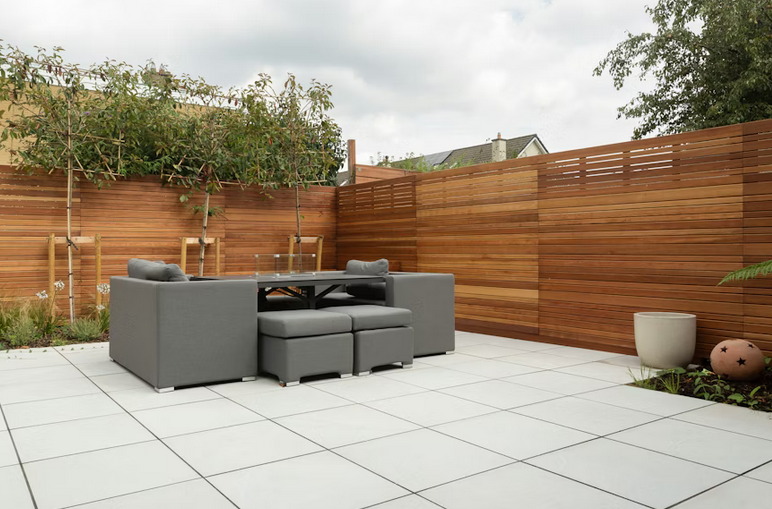
Designing a townhouse garden is a creative venture, but it comes with its own set of challenges. Unlike sprawling backyards, townhouse gardens are compact, often long and narrow, requiring thoughtful plant choices to maximize space, light, and functionality. Making the wrong plant selections can lead to overgrowth, poor blooms, and wasted time or resources, ultimately diminishing the garden’s appeal. Whether you’re a novice gardener or have some experience, understanding what to avoid is crucial for a flourishing and manageable garden. For inspiration and clever ideas, check out Sleek & Chic’s curated collection of compact outdoor space transformations, which showcase practical and aesthetic solutions for optimizing small garden areas while avoiding common pitfalls.
Ignoring Sunlight and Shade Requirements
One of the most frequent mistakes homeowners make is selecting plants without considering how much sunlight their garden receives. A townhouse garden may have shaded areas caused by walls or fences, and placing sun-loving plants in these spots can stunt growth or prevent flowering. Conversely, shade-tolerant plants exposed to full sun can wither quickly. Evaluating the garden’s light patterns throughout the day and choosing plants accordingly is essential. Consider using trellises, climbing plants, or small trees strategically to create light and shade balance without overwhelming the limited space.
Overcrowding the Garden
Compact gardens demand careful planning, yet many homeowners overcrowd plants, thinking more is better. Overcrowding limits airflow, promotes disease, and stunts plant growth, resulting in a messy, unmanageable garden. It’s vital to consider mature plant size and spacing requirements. Use a mix of vertical and horizontal planting techniques to maximize space, and select plants that complement each other without competing aggressively. Proper spacing helps maintain a neat appearance and encourages healthy growth while preserving the garden’s functionality for seating, pathways, and decorative elements.
Choosing High-Maintenance Plants
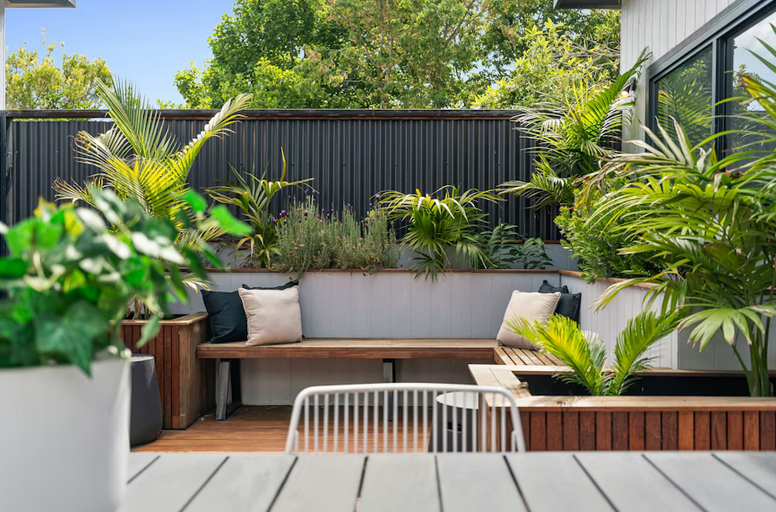
A townhouse garden often functions as a retreat from daily stress, but selecting high-maintenance plants can turn it into a source of frustration. Fast-growing shrubs, delicate perennials, or plants prone to pests may require constant pruning, watering, or fertilization. Instead, choose hardy, low-maintenance species suited to your local climate. Incorporate evergreen plants for year-round greenery and seasonal flowering plants to add color without excessive upkeep. Low-maintenance gardens reduce stress, save time, and allow homeowners to enjoy their outdoor space rather than feeling burdened by constant garden care.
Neglecting Soil and Drainage Needs
Even the most attractive plants struggle if soil conditions and drainage are ignored. Townhouse gardens may have compacted soil or poor drainage due to surrounding concrete or paving. Planting without assessing soil type, pH levels, and drainage can result in root rot, nutrient deficiencies, or poor growth. Invest in soil testing and amendments, use raised beds where necessary, and select plants suited to the specific soil conditions. Adding organic matter and considering container planting for certain species can help maintain soil health and ensure plants thrive in limited garden spaces.
Overlooking Seasonal Interest and Diversity
A common oversight in townhouse gardens is focusing only on summer blooms or a single color palette. This approach leaves the garden looking dull during off-seasons. Planning for year-round visual interest is key, incorporating plants that bloom at different times, foliage with varying colors and textures, and elements like ornamental grasses or shrubs that provide structure during winter. Combining perennial and annual species, and integrating small trees or climbers, adds layers of depth and keeps the garden attractive throughout the year, enhancing both aesthetic appeal and usability.
Creating a thriving townhouse garden requires careful thought and planning, particularly regarding plant selection. By avoiding mistakes such as ignoring sunlight, overcrowding, choosing high-maintenance plants, neglecting soil and drainage, and failing to plan for seasonal diversity, homeowners can cultivate a visually appealing and functional outdoor space. Small gardens, when thoughtfully designed, can provide a peaceful retreat, improve the overall aesthetic of the property, and offer a satisfying gardening experience without unnecessary frustration. With strategic planning and mindful plant choices, even compact townhouse gardens can achieve beauty, balance, and year-round enjoyment.